
Kenya Intensifies Relocation Efforts in ASALs Ahead of Anticipated Floods
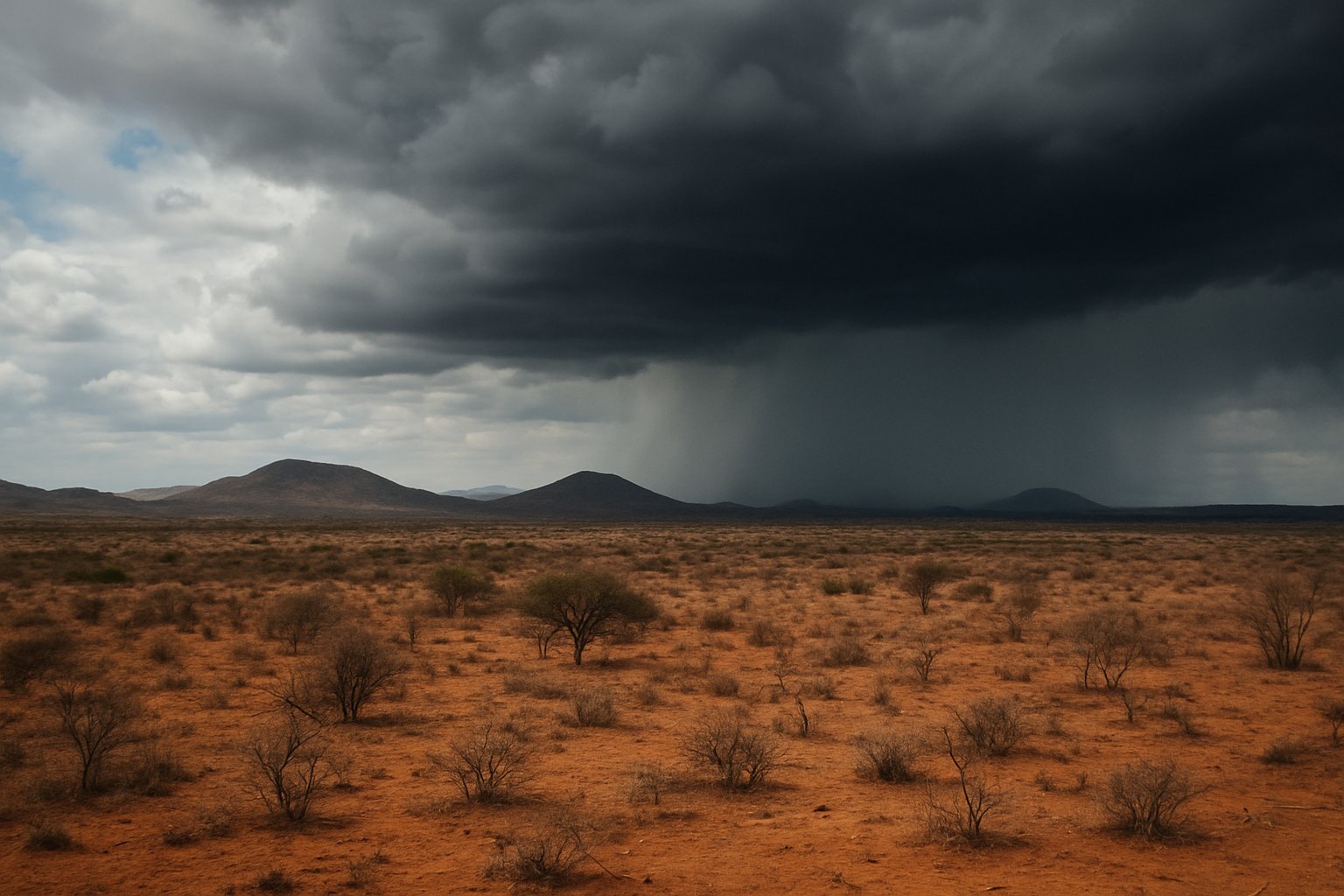
In response to forecasts of heavy rains, the Kenyan government is urging residents of arid and semi-arid lands (ASALs) to move from flood-prone regions to safer areas. The proactive measure aims to avert potential disasters in these vulnerable locations, which have historically suffered from severe flooding during intense rainy seasons.
ASALs, covering approximately 89% of Kenya's landmass, have long been susceptible to extreme weather conditions, including droughts and floods. The anticipated heavy rains, expected to impact various parts of the country, emphasize the urgent need for adequate preparedness to mitigate risks to life and property. Local authorities have intensified preparedness measures, coordinating efforts to ensure effective evacuation and relocation plans are in place.
The government's call to action comes amid broader initiatives to enhance disaster risk reduction strategies in the region. With changing climatic patterns exacerbating the frequency and severity of weather events, the need for sustainable solutions and robust infrastructure becomes increasingly critical. The relocation efforts are part of a larger framework to improve resilience among communities in ASALs, which are home to millions of people reliant on agriculture and pastoralism.
Kenya's approach aligns with global efforts to address climate change impacts, particularly in developing nations where resources to counteract environmental challenges are often limited. The focus on safeguarding vulnerable populations represents an essential step in broader climate adaptation strategies.
International organizations and partners continue to support Kenya's initiatives by providing technical assistance and resources aimed at enhancing early warning systems, improving infrastructure, and fostering community awareness. As the rains approach, the effectiveness of these collective efforts will be closely monitored, with the potential to serve as a model for other regions facing similar threats.






Comments
No comments yet — be the first.